
Treasury of Blessings
by Fr. John Oliver Above: Pentecost painting by Duccio “In the Holy Spirit is the fountain of divine treasures; for from Him cometh... Read More
Saints Cosmas & Damian: Unmercenary Physicians
Above: Painting by Francesco di Stefano Pesellino of Cosmas and Damian attending a patient. Saints called unmercenary (or moneyless) physicians are those... Read More
Beauty Will Save the Church
by Fr. Isaac Skidmore I have recently begun visiting the works of Orthodox "sophiologists," a group of theologians in nineteenth and twentieth-century... Read More
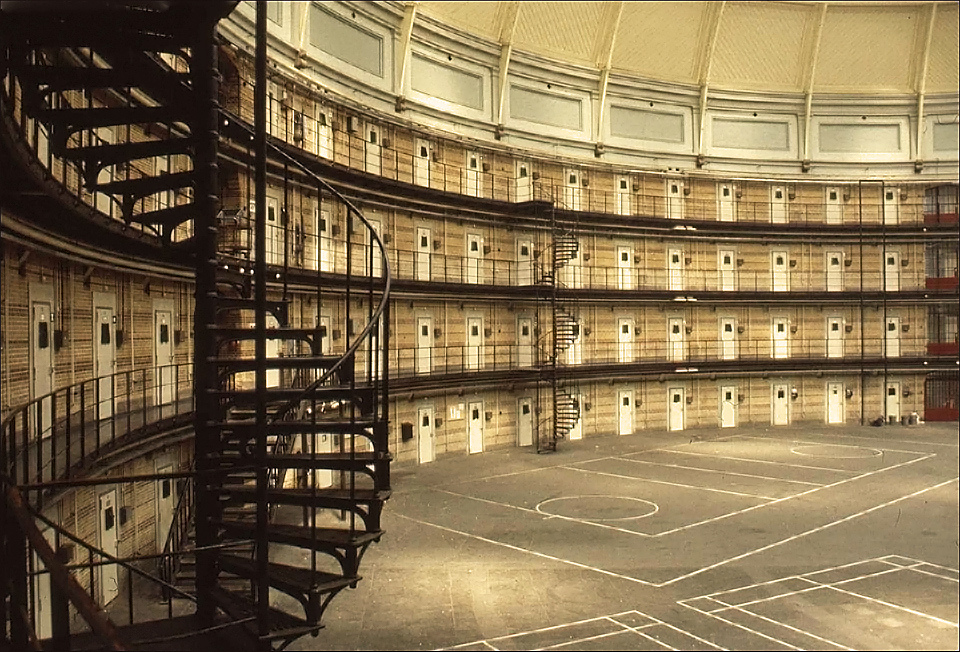
Women in Prison: On the Glory Road
by Lavanne Humphries "Do the time, don't let the time do you." These are words I often hear from the women I... Read More
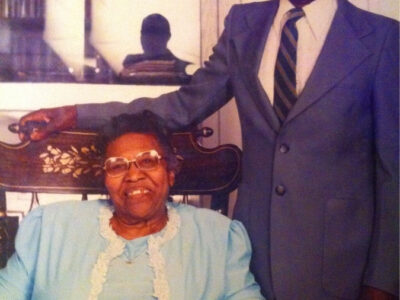
Paschal Hospitality
by Jim Forest Above: Louise and Nathon Degrafinried "The essence of sin is fear of the Other, which is part of the... Read More
Tahrir Square, Again
Tahrir Square, February 2011 by Tom and Judith Snowdon There is near euphoria in many circles over the wave of revolutions sweeping... Read More
Pascha in Dachau
Dachau concentration camp, opened 22 March 1933, was the first Nazi concentration camp in Germany. Over 200,000 prisoners from more than 30... Read More
Orthodox Perspectives on Peace, War and Violence
[abstract: Recent international conferences on Orthodox peace ethics held in Bucharest (Romania), Leros (Greece) and Saidnaya (Syria) drew participants from around the world and provided unique opportunities for Orthodox scholars to reflect on common themes such as peacemaking, the definition of “just peace” and the moral and spiritual challenges posed by warfare and the use of violence in a variety of contexts. Though the consultations revealed diversity on many dimensions of the application of Orthodox tradition, a point of consensus was that Eastern Christianity interprets issues of war and peace in distinctive ways that do not align perfectly with the dominant categories of Christianity in the West. The experience and teaching of Orthodox Christianity do not fit neatly within the familiar categories of pacifism, just war theory and holy war. Instead, they provide pastoral resources for the pursuit of a dynamic praxis of peace, the manifestation of which takes various forms in light of the set of circumstances that the Orthodox community faces.1 This article will describe the distinctive characteristics of Orthodox moral theology's understanding of peace, war and violence in the context of the church's theology, canon law and liturgical life.]
Blessed Alexander Schmorell and the White Rose
by Jim Forest In May 1942, two young medical students in Munich secretly formed an anti-Nazi project they christened the White Rose.... Read More
When Killing is Just Pressure on the Trigger
by Brandon Frazier No act is more violent than taking another’s life. Four years of my life were defined by training to... Read More